


Spicy Shrimp Tacos with a Cilantro Lime Sauce


Spicy shrimp, crisp cabbage, and a zesty sauce wrapped in a warmed flour tortilla and drizzled with fresh lime. Irresistible!
The origin of shrimp tacos can be traced back to Ensenada, a town located in the Baja California region of Mexico. This area is known for its magnificent beaches, vibrant fishing villages, and delicious seafood. Just like the fish taco, fishermen brought their shrimp catch-of-the-day to street vendors and cooks in Ensenada, who grilled or fried the shrimp, tucked them into warm tortillas, and topped them with slaw, salsa, crema, and lime.
In the late 20th century, shrimp tacos crossed the border and showed up on menus in Southern California. Now, this irresistible taco is a staple on Mexican restaurant menus all across the United States. There are as many variations of shrimp tacos as there are cooks. Following is my version. Shrimp tacos are a balance of flavor—savory shrimp, crisp cabbage, a zesty sauce, and a squeeze of lime.
¡Buen provecho! Bon appétit in Spanish.
Spicy Shrimp Tacos with a
Cilantro Lime Sauce
Makes 8 Tacos
For the Cilantro Lime Sauce:
½ cup Mexican crema or sour cream
¼ cup mayonnaise
¼ cup green onions, thinly sliced
¼ cup fresh cilantro leaves
1 teaspoon minced garlic
½ teaspoon Sriracha®
3 tablespoons fresh lime juice
½ teaspoon salt
In a food processor or blender, place Mexican crema, mayonnaise, green onions, cilantro, garlic, Sriracha, lime juice, and salt and process until smooth. Cover and refrigerate until ready to serve.
For the shrimp:
1 teaspoon chipotle chili powder
1 teaspoon paprika
1 teaspoon ground cumin
¼ teaspoon cayenne pepper
1 teaspoon salt
½ teaspoon freshly ground black pepper
1 pound large shrimp (31 to 35 per pound), Peeled, de-veined, and tails removed
Preheat the grill to a medium high heat. In a large bowl, place chipotle chili powder, paprika, cumin, cayenne pepper, salt, and pepper and stir to combine. Add shrimp and toss until all shrimp are evenly coated. Thread shrimp on skewers.
Grill shrimp for approximately 2 minutes. Turn skewers over and grill an additional 2 minutes.
Remove shrimp from skewers.
For the tortillas:
8 taco-size flour tortillas
Cooking spray
Preheat the oven to 350 degrees F. Spray flour tortillas with cooking spray. Place each tortilla spray-side town, over 2 rungs of the oven. Bake for 5 minutes, or until tortillas are done to your liking. Serve immediately. Cooked this way, flour tortillas have a nice taco shape and are crispy and delicious.
To assemble tacos:
Flour tortillas
Shredded cabbage
Grilled spicy shrimp
Chopped avocado
Creamy cilantro lime sauce
Crumbled cotija cheese
Your favorite salsa (optional)
Sliced pickled jalapeños (optional)
Limes, quartered
Place a layer of cabbage on tortilla, top with a few shrimp and chopped avocado, and drizzle with Cilantro Lime Sauce, garnish with crumbled cotija cheese. Garnish with salsa and pickled jalapeños if desired. Once tacos are assembled, squeeze fresh lime juice over them.
Tips on selecting shrimp: Fresh versus Frozen. Fishermen put shrimp on ice as soon as they are caught. This preserves the shrimp, freezing them so they are just-caught fresh until they are thawed. The fresh shrimp you see on ice in the seafood counter at your supermarket were most likely once frozen and are thawing in the counter. The longer they are in the counter, the less fresh they will be. Unless you know that the fresh shrimp you are buying is fresh off the boat, frozen shrimp is a better choice. Except for the black tiger variety of shrimp, black spots on shells are an indication of spoilage.
Wild Caught or Farm Raised: Wild-caught shrimp have a sharper, more shrimpy taste; however, they are pricier and harder to find. Ninety percent of shrimp sold in the US are imported from Southeast Asia, Ecuador, and India; and the majority of that is farm-raised. Your supermarket is required to divulge the country of origin and whether shrimp is wild or farmed. Check the label. If you have doubts, farm-raised shrimp cultivated under cleaner standards will bear a “Best Aquaculture Practices” label. The certification label to look for when buying wild shrimp is “Marine Stewardship Council Approved”.
The most common imported shrimp sold in the supermarket are white vannemei and tiger shrimp from Asia. The most common domestic varieties are white and pink shrimp from the Gulf of Mexico. If I have a choice, I prefer pink shrimp.
Do not purchase frozen shrimp that have dry spots on their shells. This is a sign of freezer burn. Except for the black tiger variety of shrimp, black spots on shells are an indication of spoilage. Signs of yellow or grit on the shells could mean the shrimp have been bleached to remove black spots. Avoid shrimp that smell like ammonia or feel soft or slimy.
Carol Ann

Carol Ann Kates is the award-winning author of cookbook, Secret Recipes from the Corner Market, and international Amazon best-selling and award-winning author of Grocery Shopping Secrets. She’s an expert in how to shop, select, and store produce for maximizing home cooking outcomes and minimizing time and money spent. As a former supermarket and deli operator, Carol Ann shares grocery-insider wisdom—the same expertise you used to receive when patronizing a mom-and-pop establishment. Contact her at CarolAnn@CarolAnnKates.com and explore her website, www.CarolAnnKates.com.
Copyright 2026 All Rights Reserved Carol Ann Kates
1
Searing the Beef
Sear beef fillets on high heat for 2 minutes per side to form a golden crust. Let it cool before proceeding to keep the beef tender.
1
Searing the Beef
Sear beef fillets on high heat for 2 minutes per side to form a golden crust. Let it cool before proceeding to keep the beef tender.
1
Searing the Beef
Sear beef fillets on high heat for 2 minutes per side to form a golden crust. Let it cool before proceeding to keep the beef tender.
1
Searing the Beef
Sear beef fillets on high heat for 2 minutes per side to form a golden crust. Let it cool before proceeding to keep the beef tender.
Notes


1
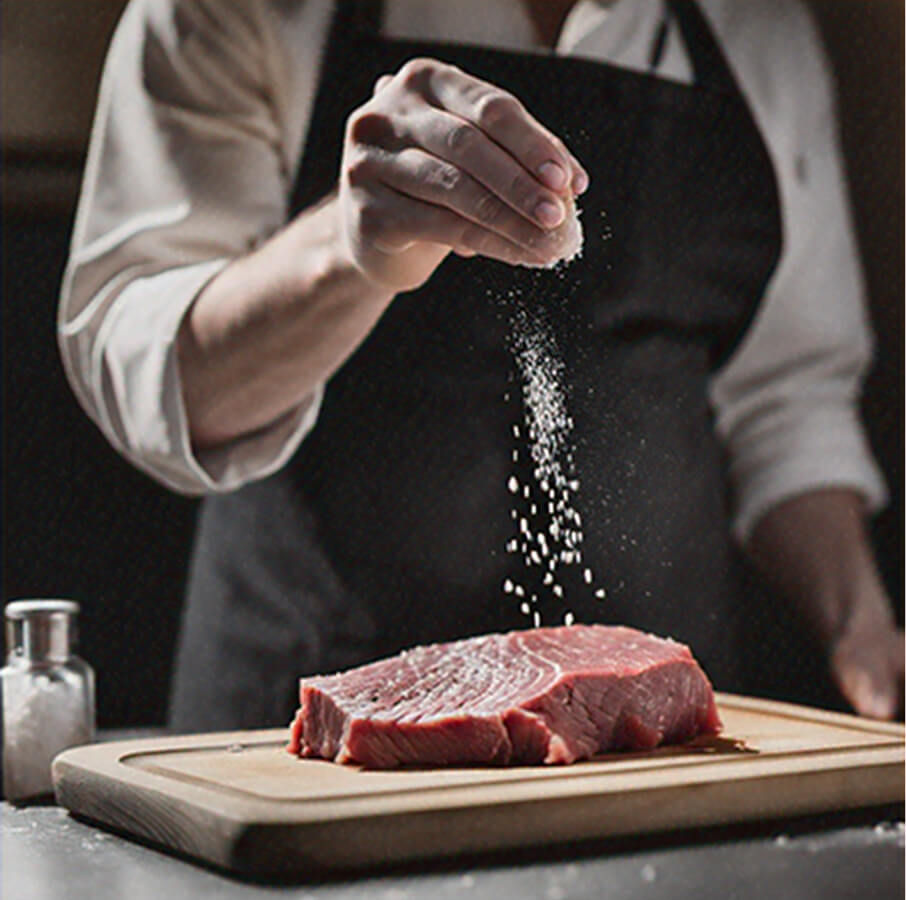
Season the good fresh beef fillets with salt and black pepper. Heat olive oil in a pan over high heat and sear the fillets for 2 minutes per side until it fully browned. Remove the beef from the pan and brush with a thin layer of mustard. Let it cool.
1
Season the good fresh beef fillets with salt and black pepper. Heat olive oil in a pan over high heat and sear the fillets for 2 minutes per side until it fully browned. Remove the beef from the pan and brush with a thin layer of mustard. Let it cool.
1
Season the good fresh beef fillets with salt and black pepper. Heat olive oil in a pan over high heat and sear the fillets for 2 minutes per side until it fully browned. Remove the beef from the pan and brush with a thin layer of mustard. Let it cool.
1
Season the good fresh beef fillets with salt and black pepper. Heat olive oil in a pan over high heat and sear the fillets for 2 minutes per side until it fully browned. Remove the beef from the pan and brush with a thin layer of mustard. Let it cool.
Instructions
Quality Fresh 2 beef fillets ( approximately 14 ounces each )
Quality Fresh 2 beef fillets ( approximately 14 ounces each )
Quality Fresh 2 beef fillets ( approximately 14 ounces each )
Beef Wellington
Beef Wellington
Fusion Wizard - Rooftop Eatery in Tokyo
Author Name
%20(1).jpg)
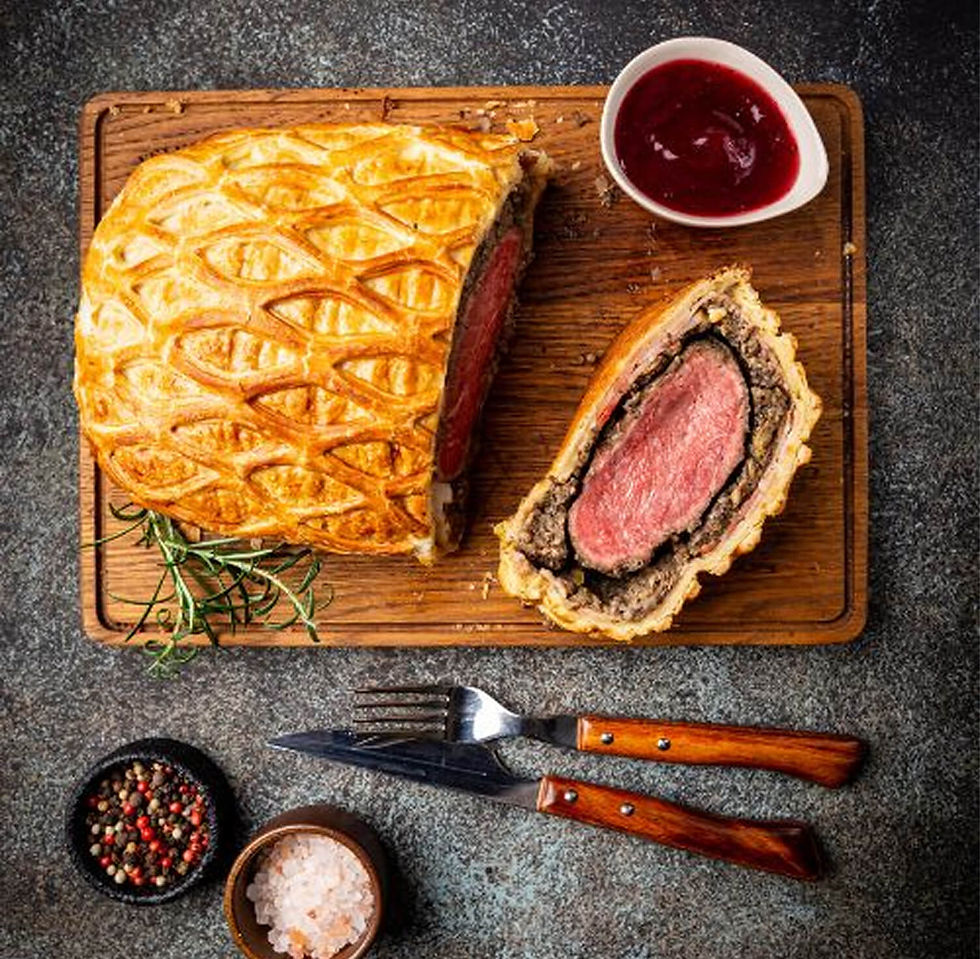
Beef Wellington is a luxurious dish featuring tender beef fillet coated with a flavorful mushroom duxelles and wrapped in a golden, flaky puff pastry. Perfect for special occasions, this recipe combines rich flavors and impressive presentation, making it the ultimate centerpiece for any celebration.
Servings :
4 Servings
Calories:
813 calories / Serve
Prep Time
30 mins
Prep Time
30 mins
Prep Time
30 mins
Prep Time
30 mins


Comments